


Being Yourself in France: Embracing Your Identity Abroad
Recipe: Jacques’s Garden Salsa
Dear Friends,
I hope this letter finds you all in good spirits, ready to embrace the colorful autumn season ahead. As someone who holds both French and American citizenship, I often think about what it truly means to be yourself—especially when you’re living across an ocean from where you began.
After moving from the genteel American South to the rugged West, and eventually to France, I’ve become a hybrid of all three. Each place shaping me, overlapping new perspectives over roots that were never deeply planted—shaped by not knowing my grandparents very well (they all died when I was young) or my Dad’s extended family. And by moving across the entire country as a teenager. Such early experiences of change and movement!
France is a country that values individuals (think René Descartes, Sartre, Gainsbourg, etc.), but is also steeped in tradition. At first, I fretted about blending in—about my strong accent, my tendency to smile too much, be the only one at the table who doesn’t take coffee after lunch—or worse, the scandal of adding milk to mine when I do. Time and again, I’ve seen expats out-French the French, adopting mannerisms and mindsets that seem even more French than the locals themselves. We’ve all tried here and there, non?
But as I’ve settled into living in France, one thing stands out: your authenticity is your greatest asset, no matter where you are. “Be yourself; everyone else is already taken,” said Oscar Wilde. And Ralph Waldo Emerson said: “Trust thyself: every heart vibrates to that iron string. »
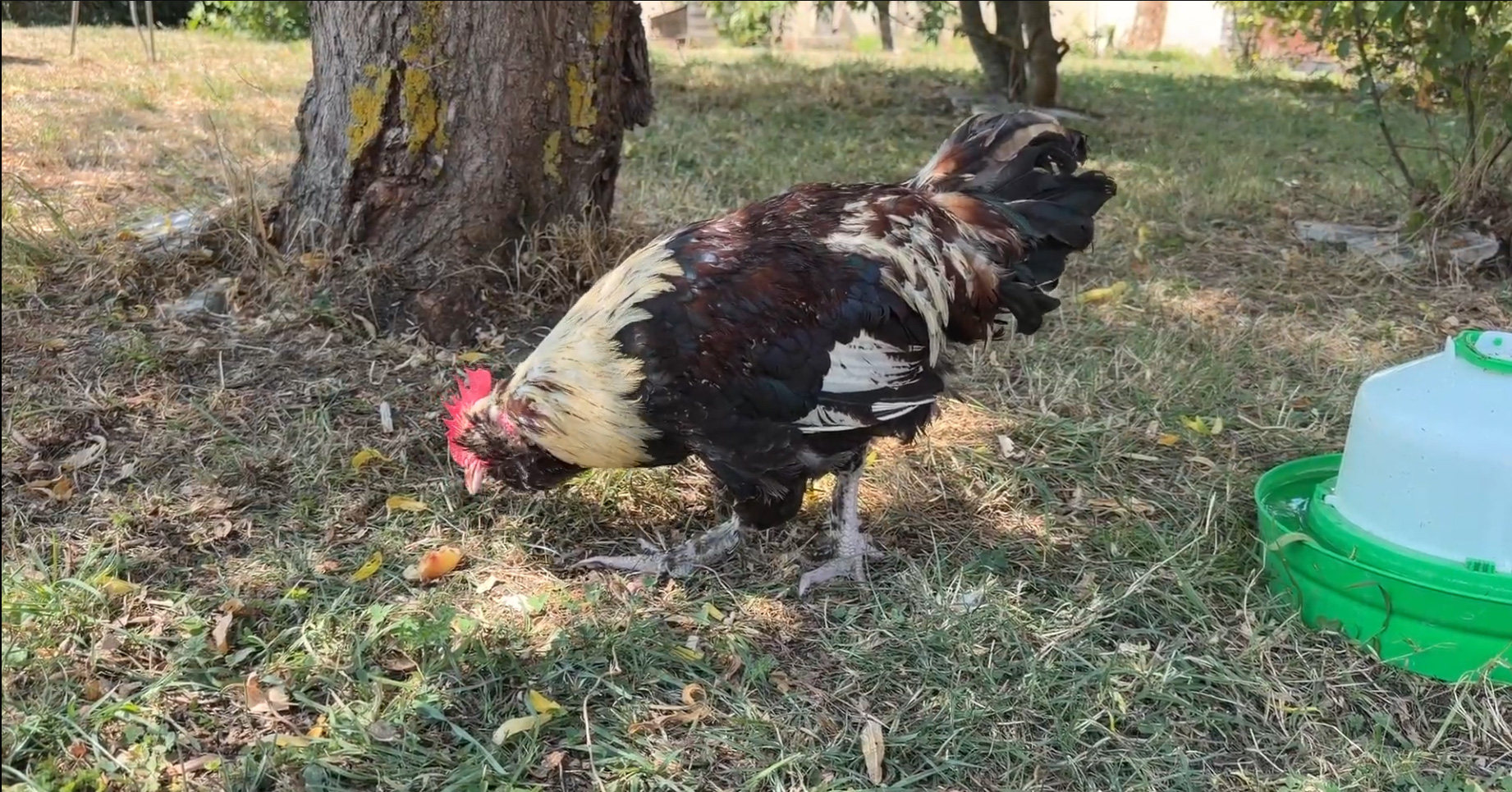
Recent Happenings:
I’m sad to report that our beloved rooster, Arvil, passed away. “A brave warrior who fought so hard for his little life,” my daughter texted me. We buried him in the corner of the walled garden. We believe his body just gave out, and he could no longer fight the Coryza virus he had contracted last July, even though he had recently made tremendous improvements after all the antibiotics and special diet. I suppose the only consolation is that he’s not suffering any longer. Arvil will be missed terribly.
I’ve recently started French lessons through a local chapter of the Lutille association. Despite a history of dabbling in French lessons, I always seem to need a gentle nudge (or a forceful shove) to keep improving and converse en français. The class is a lovely mix of ladies from all over the globe, and we meet once a week, both as a group and individually. On our first day, we had to speak about ourselves—a drill that usually makes me break out in a nervous sweat. But, to my surprise, I actually felt at ease speaking French. In fact, I rambled on with the confidence of someone who’d just discovered a forgotten superpower! Of course, any delusions of fluency were quickly shattered when I confused Mardi for Monday and showed up to class on the wrong day. Clearly, my journey to French mastery has been challenging, with its fair share of treacherous peaks and desert valleys.
On the bright side, my husband and I have officially relaunched our website, where you can now find all the delicious details about our culinary workshops (and, eventually, a properly updated « About Us » page—promise!). We’re excited that a few fellow adventurers have already signed up for next year’s A Country Diary workshops. It’s always a joy to share tantalizing food, laughter, and the beauty of this region. If you’re ever curious or want to know more, just let me know—these experiences are always better with friends. Our website name has shifted from French Countryside Companion to our farm name, La Pastorale Farm, and I’ll share more about that story soon.
I’m still learning how to balance the quirky logistics of rural living: shopping for groceries and scheduling doctor appointments by train, juggling work at my desk with work on the farm, and remembering that a ‘quick trip to town’ is anything but. Organization has become an extreme sport: forget the recycling just once, and you’ll be haunted by glass bottles until the next market day. Leaving the house means plotting a route worthy of a military campaign, since with gas prices, every stop counts. I reckon I’m not alone in feeling like there’s always something left undone. If I’m writing, the weeds call my name; if I’m gardening, my inbox fills up. I’m slowly getting the hang of it, though. My indefatigable husband, ever the Parisian, claims he’s ready for the tranquility of the farm after just a single day back in the city, though.
Out here, there’s always something to keep you on your toes—whether it’s a neighbor’s goat in chains orchestrating a jailbreak, a lone cow sauntering down the road, a frightened sheep tangled in the fencing, or hawks circling the hens (who, without their rooster, seem a teensy more anxious these days).
As the light grows more slanted and the daylight shortens, I’m reminded of the importance of counting our blessings. We recently had the pleasure of having my stepson Jacques, ever the solar and optimistic young man, spending a few weeks with us before beginning his final year at H.E.C. in Paris. Jacques, who famously eats five eggs for breakfast each morning, kept our hens busy (and I think they relished feeling needed). He also loves fresh salsa, which is next to impossible to find in rural Normandy. So, after harvesting tomatoes from the garden, I turned to him for advice. The idea of canning salsa didn’t appeal to me; with acidity being so crucial, botulism is not a risk I care to entertain. Jacques’s philosophy is that the best salsa has no set recipe, just a playful experimentation with heat and flavor. He suggested roasting all the vegetables, even charring the skins a bit for extra depth. Unlike his French father, who winces at the faintest hint of pepper, Jacques welcomes the heat. Armed with a basket of tomatoes, onions, and peppers from the farmer’s market, we whipped up some of the tastiest salsa I’ve had in France, and even shared a (non-canned) jar with our neighbors. Here is his simple method that I urge you to try tout de suite! No hours spent tearfully chopping tomatoes and onions—just plenty of dipping and spreading ahead.
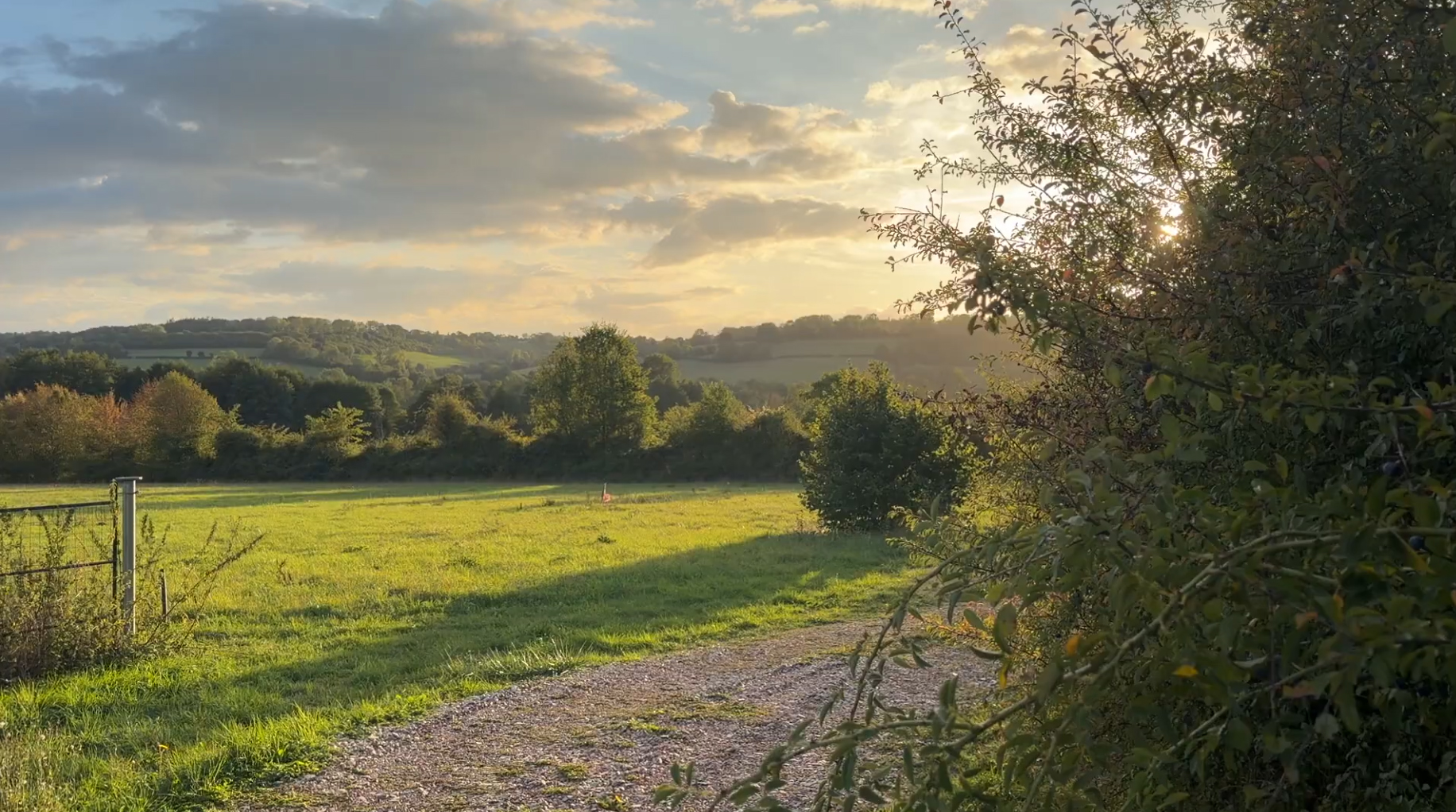
La Pastorale Farm
Jacques’s No-Recipe Roasted Salsa
Gather a basket of ripe (not too soft) tomatoes, a few onions, and some fresh peppers—choose your favorite mix for the level of heat you like. If you have garlic and plenty of cilantro, all the better.
Roughly chop the tomatoes, onions, and peppers in half (no need to fuss over perfect knife skills). Lay them on a baking sheet and roast them in a hot oven until the skins are blistered and slightly charred—don’t be afraid of a little blackening; that’s where the flavor comes from. Toss in a few cloves of garlic, unpeeled, to roast alongside the vegetables. (You can add a green, yellow or red pepper for sweetness, but Jacques doesn’t think it needs it).
Once everything is roasted and cool enough to handle, slip the skins off the tomatoes and garlic. Toss everything into a food processor.
Add lots of chopped fresh cilantro, a generous squeeze of lime juice, and salt to taste. If you like, throw in a handful of chopped green onions or a dash of cumin. Mix well, then taste (with a sturdy chip) and adjust the heat, salt, or lime as needed.
Let the salsa rest in the fridge for a spell to let the flavors mingle—if you can. Enjoy with chips, on eggs, or with anything that needs a pinch of freshness and a little family flair.
Bon appétit!
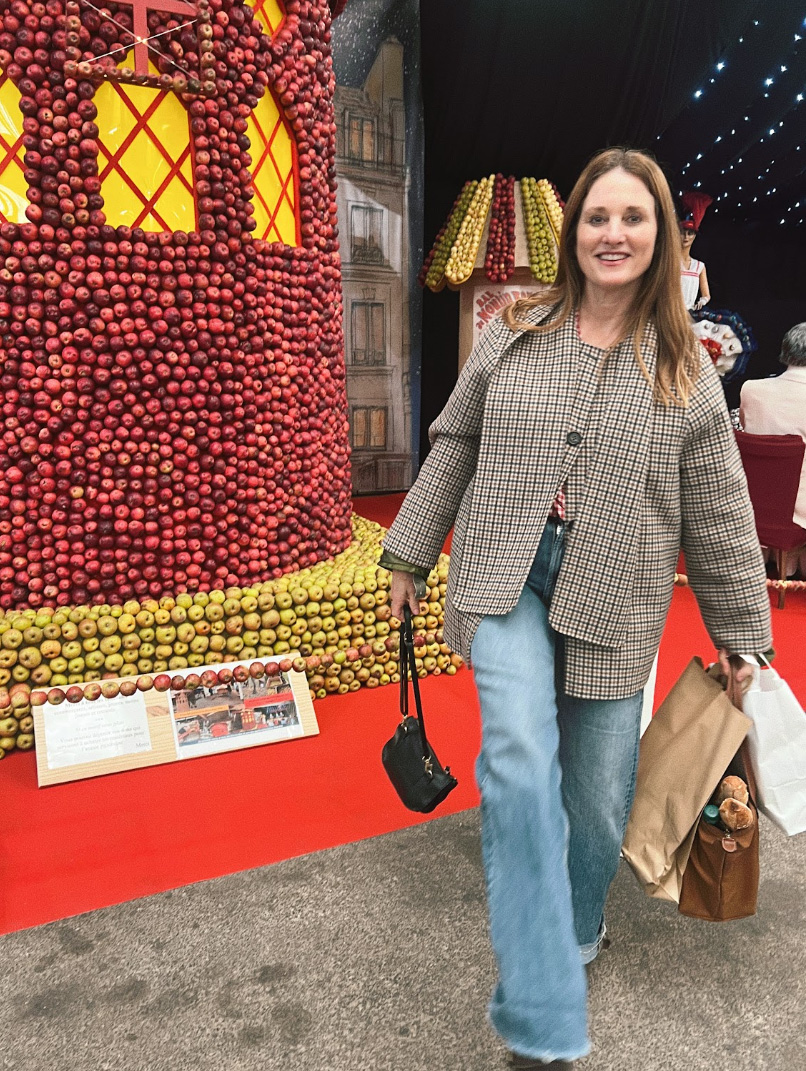
Shannon Grochowski founded La Châtelaine Chocolat Co, along with her French husband. The bustling shop now passed on to the next generation, they’re restoring a house and farm in Normandy. Their Country Diary Workshop is four days of seasonal baking, chocolate making, preserving, journaling, and countryside observation. A writer at heart Shannon posts weekly on Substack.
Previously on Fusac.fr Shannon posted: https://fusac.fr/how-i-learned-the-meaning-of-a-french-word-bonheur/