


A little history of Romance novels, the top selling fiction genre in the US, though it is widely dismissed by critics. The classic story of two characters who encounter an obstacle they must overcome for their love to endure appeals to many people. Even more so since the pandemic, when many were stuck at home and turned to reading to pass the time; romance is particularly appreciated during stressful and uncertain times. According to The New York Times, sales of romance novels more than doubled recently, from 18 million copies in 2020 to 39 million in 2023. Social media contributed to the genre’s popularity — most books recommended and reviewed on #BookTok and on #bookstagram are romance novels. This has also brought the average age of romance readers from 35-55 down to 18-44.
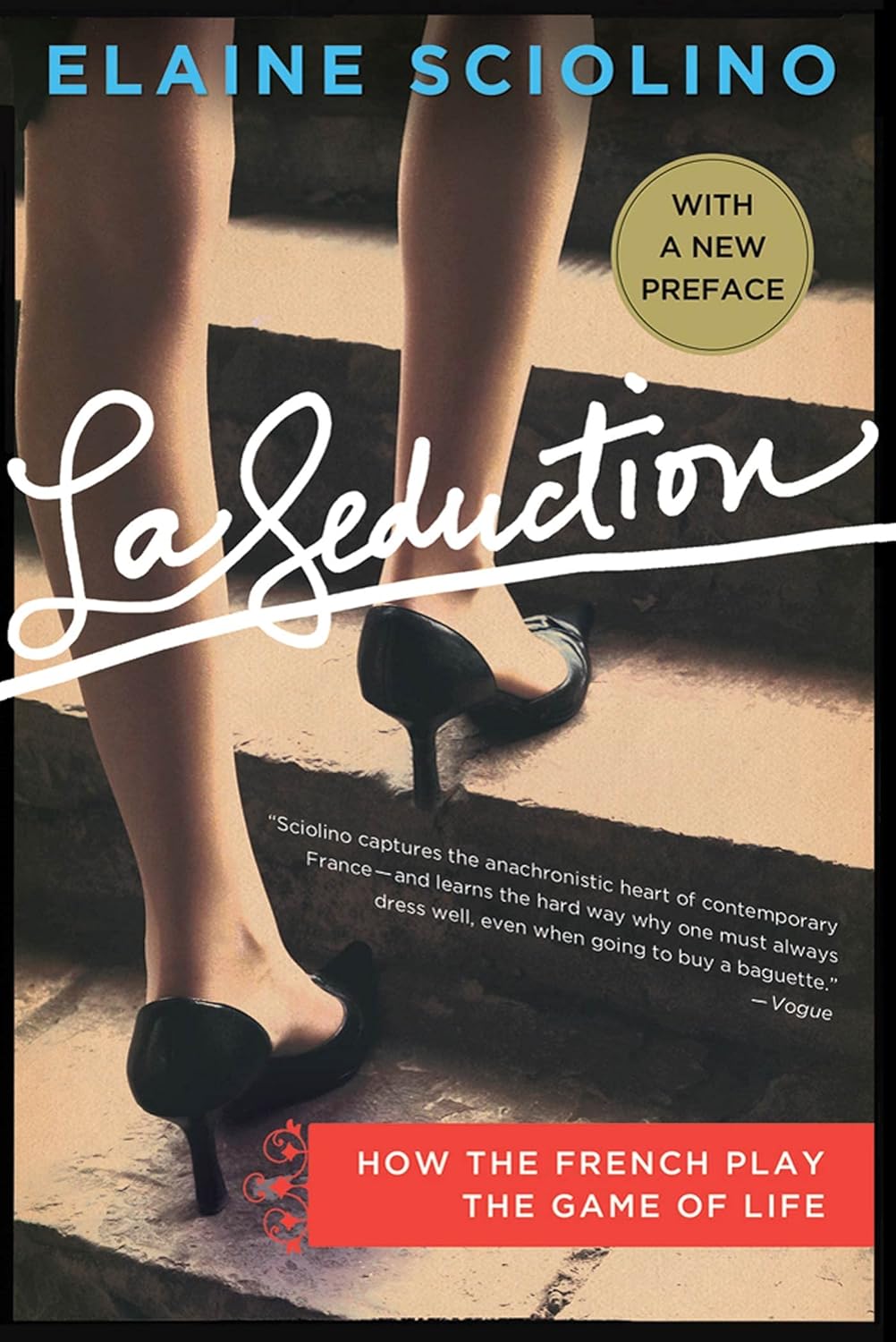
- To celebrate romance, Saturday 8 February 14:00-18:00 is «Seduction Day» at Bill & Rosa’s Book Room. In anticipation of Valentine’s Day receive a FREE COPY of the book « La Seduction: How the French Play the Game of Life » by Elaine Sciolino with any purchase. France is a seductive country, seductive in its elegance, its beauty, its sensual pleasures, and its joie de vivre. Elaine Sciolino, the longtime Paris bureau chief of The New York Times, has discovered that seduction is much more. It is the key to understanding France and plays a crucial role not only in how the French fall in love, but also in how they conduct business, enjoy food and drink, define style, engage in intellectual debate, elect politicians, and project power around the world. In La Seduction, Sciolino gives us an inside view of how seduction works in all areas of French life, from the shops of Paris to the halls of government, from the gardens of Versailles to the agricultural heartland.
Romance has its origins in the romantic fiction of the 18th and 19th centuries, such as Samuel Richardson’s « Pamela », or « Virtue Rewarded » (published in 1740), the gothic romances of Ann Radcliffe and the works of Jane Austen. One could almost argue that it was at first a subversive genre: take for example Anne Brontë’s « The Tenant of Wildfell Hall » (We just received a very old copy of this book where Ms Brontë is billed as « Annie ») – the original book was published under a male pen name in 1848. It portrayed a disastrous marriage, something that most novels of the time never spoke about. Helen Graham, the main character, leaves her abusive husband (his drinking and its catastrophic effects on their marriage are described in detail), pulls a knife on another character who grabs her, laughs at a man’s insincere declaration of love and ends up having a happy life. Romance novels were a form of escape to a world where a woman had hopes and dreams, stood up for herself, met a man who treated her as an equal and was rewarded with a happy ending, which usually meant, at the time, a successful marriage to someone they were very much in love with. A happy end (whether that means marriage or not) has now become a common trope of the modern romance novel.

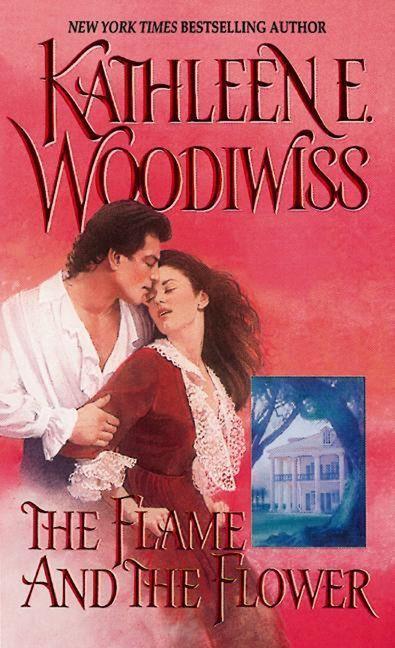
In many cases, romance novels were written by women, for women, with female protagonists. In the 1950s and 1960s, romance novels started featuring women with careers, such as stewardesses and nurses. They were mainly sold in supermarkets, chiefly frequented by women at the time (think Harlequin in North America and the British Mills & Boon). The main market for romance novels was young, employed women who enjoyed the availability of the genre, but also the easy reads that offered escape. Sales of romance novels picked up considerably following the publication in 1972 of « The Flame and the Flower », by Kathleen E. Woodiwiss. This is considered to be the first modern “bodice ripper” novel and was hugely popular when it came out, in the thick of the sexual revolution. Bodice rippers usually feature an innocent, beautiful woman who is seduced by an alpha male. This subgenre is problematic, as it often featured rape and abuse.
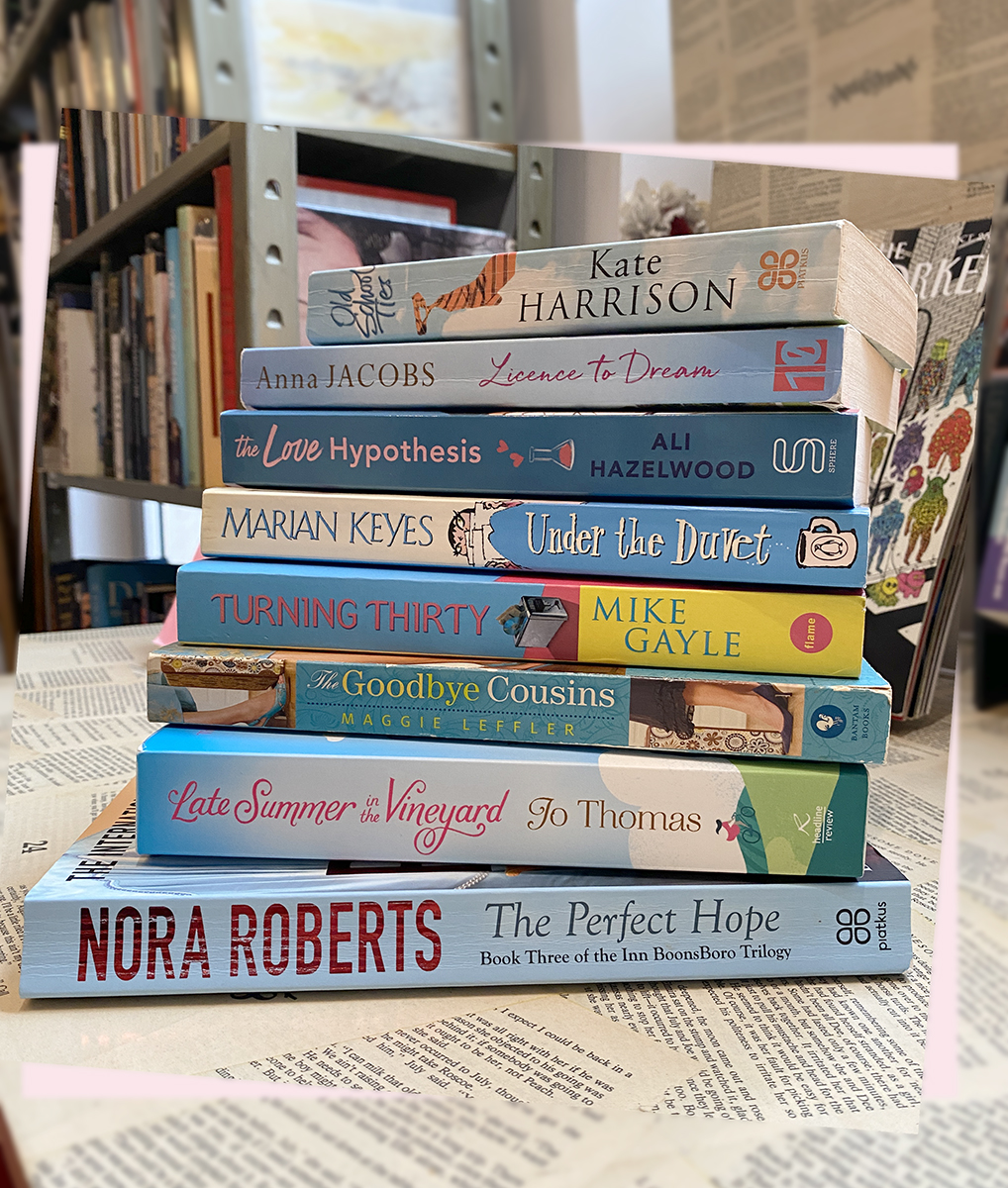
What is interesting about the romance genre is that while it is viewed by many as formulaic and uninteresting, it has often featured topics that were either taboo at the time or absent from any other literary genre. Despite, or maybe because of its many conventions (the two main characters meet, they develop a relationship, a problem occurs that is resolved and most often there’s a happy ending), it gives the author a space to innovate, as is illustrated by the vast variety of romance sub-genres: historical (Gone With the Wind by Margaret Mitchell, published in 1936, is a classic – and we also just got a 1950s copy of this), gothic (Daphne du Maurier’s Rebecca is a great example. More about the history of gothic romance here.), contemporary, paranormal, sports-themed, fantasy… Romance novels have evolved to include different genders, ethnicities and sexualities, reflecting societal changes. They often contain intricate plots, strong heroines and almost any topic or situation you can imagine.
In this article featured in The Washington Post, romance author Beverly Jenkins says: ‘We’re the people that keep the lights on in publishing.’ Indeed, in an industry where authors often struggle to make a living, romance writers’ income has tripled in the digital era, according to this fascinating BBC article about how romance writers are thriving while other types of writing are not.
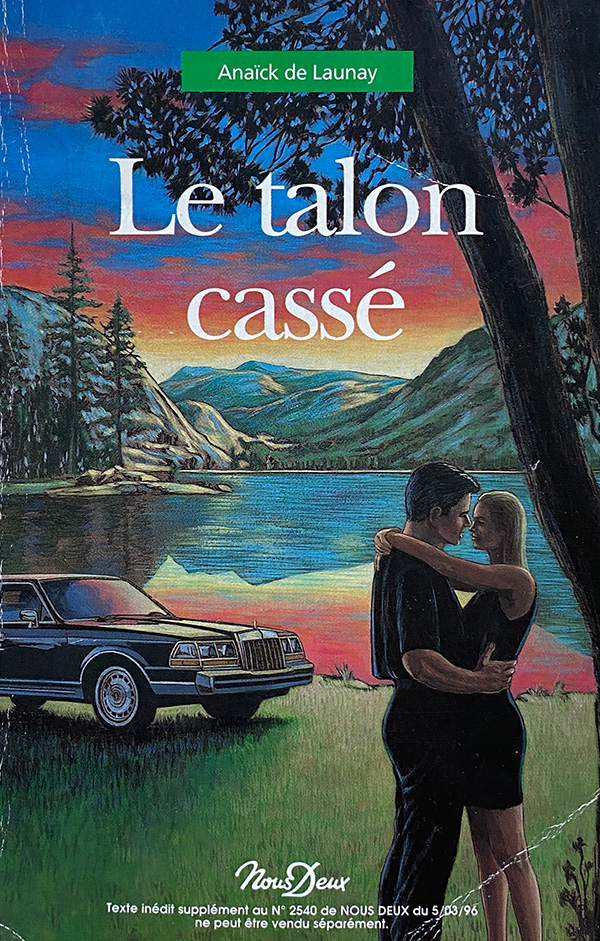
If you’d like to try reading a romance novel, but you’re not sure where to start, you can use this website, which helps you choose your romance novel by theme, author, date of release, genre, story, location… You can also have a look at this list of Best 100 Romance Novels on Goodreads. You can find hundreds of romance novels at Bill& Rosa’s Book Room, our current inventory is here: https://fusac.fr/BookRoomStock/Thriller_Sci-Fi_Fantasy_Romance_in_English.pdf
