


Learn French Fast: Why French Immersion Outpaces the Classroom
by Georgiana MAES ONESIM, FITH
Many learners of la langue de Molière face the same dilemma: how can I learn French fast? While traditional language schools provide structure, they often progress slowly. By contrast, immersion in France offers an accelerated, life-changing path to fluency.

CEFR Levels: Setting Clear Goals
The CEFR scale (A1–C2) is the global standard for language proficiency.
- A1–A2: basics like introducing yourself or asking for directions.
- B1–B2: confidence in conversations, following the news, working in French.
- C1–C2: near-native fluency for academic or professional contexts.
Most universities require B2, many employers expect it, and residency procedures often demand B1 oral skills. Knowing these benchmarks helps you plan realistically.
Why Traditional Classes Can Be Slow
The Foreign Service Institute (FSI) estimates 600–750 hours for English speakers to reach working proficiency in French.
- Intensive schools (20h/week) can take a year to move from A0 to B2.
- Part-time programs are three to four times slower.
The issue? Students spend most of their time listening to lectures and filling grammar sheets instead of speaking. Even after months, many hesitate to hold real conversations.
The Power of French Immersion
Immersion is different: you live the language all day, every day. Every meal, every walk, every activity becomes practice. This constant exposure accelerates listening, speaking, and cultural understanding.
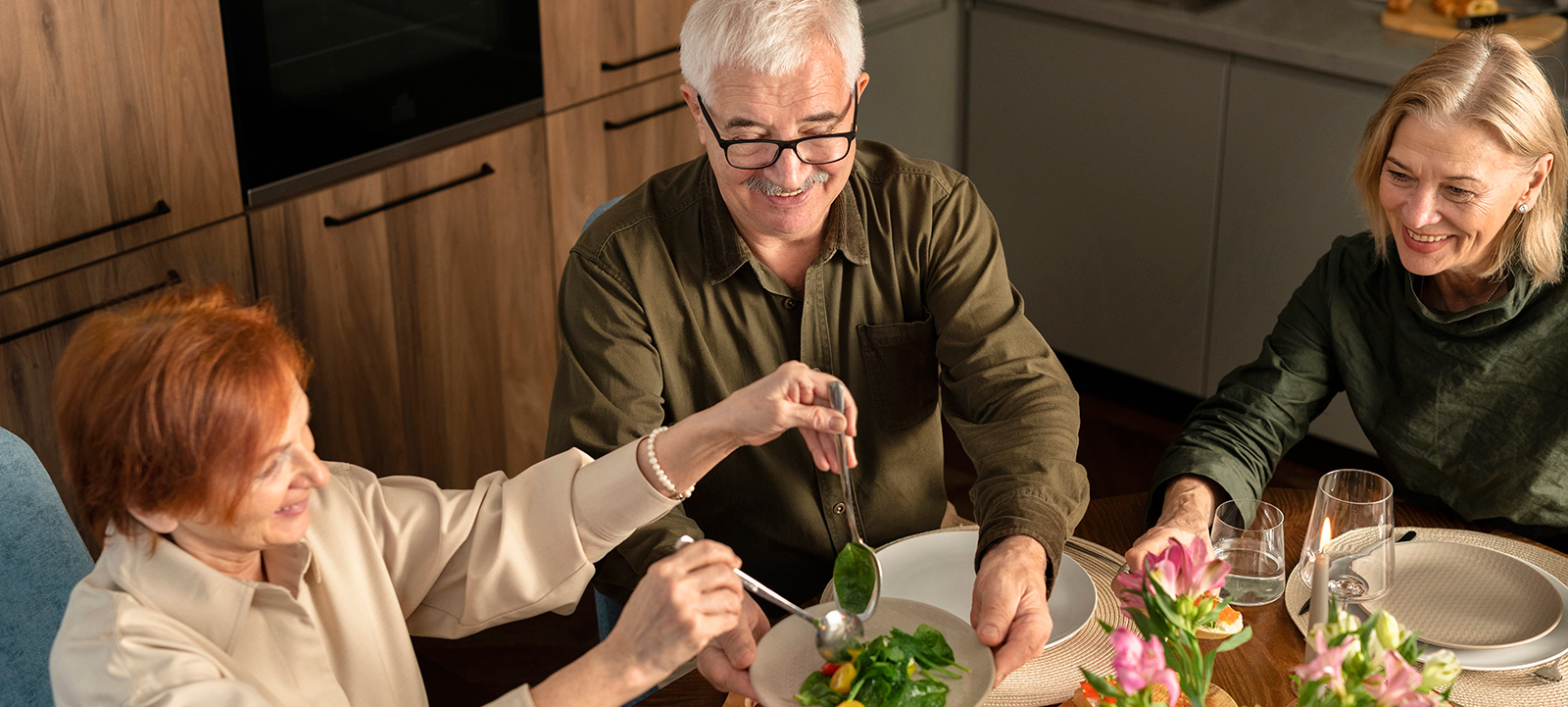
At FITH (French Immersion at Teacher’s Home), learners stay with their French host teacher and experience:
- 15h/week of private lessons, tailored to their level.
- Shared meals for natural conversation.
- 4 cultural outings per week (markets, museums, history tours).
- Comfortable accommodation in the teacher’s home.
Instead of 15 hours of study, learners enjoy 30–40 hours of authentic French per week—a true fast track to fluency.
Who Benefits from Immersion?
- Beginners: gain survival phrases and confidence.
- Intermediate learners: break the barrier to oral fluency.
- Advanced students: refine accuracy for exams, work, or study.
- Returning learners: quickly reactivate forgotten skills.
Real Stories
- Sofia, 22 (USA): “One week in immersion taught me more than a whole semester at university.”
- Mark, engineer (Chicago): “By the end of my stay, I was debating climate policy in French.”
- Tom, retired teacher (Canada): “I came for the French language, but left with a deeper understanding of France itself.”
Tips to Learn French Faster
- Combine resources: podcasts, apps, textbooks.
- Immerse daily: watch French TV, listen to radio, switch your phone settings.
- Embrace mistakes: they are the fastest way to improve.
- Choose immersion: nothing replaces living the language.
The Fastest Path to Fluency
So, how long does it take to learn French? It depends—but immersion is consistently the fastest route.
Traditional schools teach you French. Immersion lets you live French.
👉 Want to learn French fast? Explore our network of welcoming host teachers across France and start your French immersion journey today.
Discover French Immersion at Teacher’s Home ➝