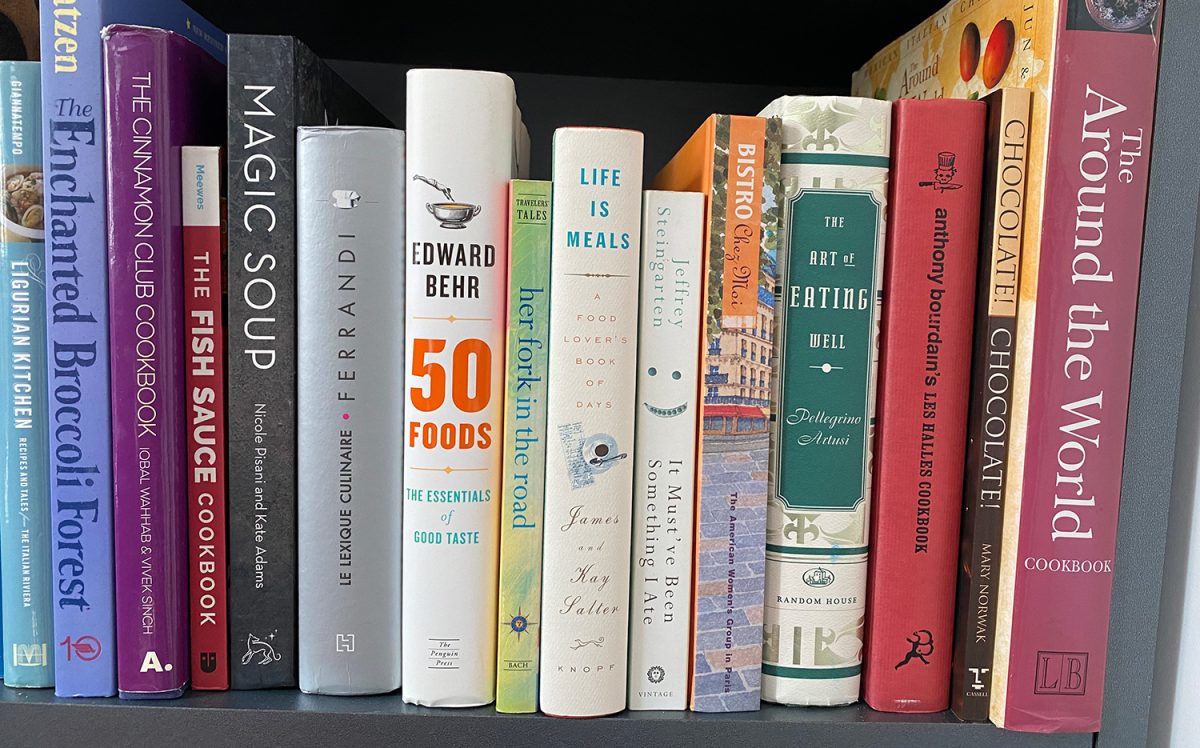
Most households have at least a few cookbooks: perhaps some have been passed down through generations; perhaps others, more recent, cater to the various dietary needs and restrictions in the household. Cookbooks are a familiar sight, but what do we really know about their history?
One of the most famous early cookbooks dates back to the 2nd century BCE. It is called the Deipnosophistai (“The Learned Banquet”) and is a treatise on food and food preparation written by Athenaeus, a Greek gourmet. This was however not the earliest cookbook by any means. That honor goes to the Yale Culinary Tablets, three of which date back to 1730 B.C. They are from the Mesopotamian region, or what is today Turkey, Syria, Iran and Iraq. In fact, much of what we eat today was cultivated or domesticated in that region. The tablets provide recipes for more than two dozen Mesopotamian dishes, such as stews of pigeon, lamb or spleen (A team of international scholars set out to recreate three of the recipes described on the tablets, you can watch the video here !). It is interesting to note that as opposed to today’s Western habits, there was no distinction between savory and sweet dishes. Neither were there any conventions regarding the order in which to eat them. Recipes did not include quantities for ingredients or cooking times, so experimentation was needed to determine the optimal quantity. The recipes described on these tablets were not for commoners and were most likely reserved for banquets or feasts.
Later on, cookbooks were written as aide-mémoire for palace cooks. They became the norm for kings and nobles by the 14 th century, a status symbol meant to show how luxurious their banquets were. The first English cookbook, Forme of Cury, was written for King Richard II in 1390.
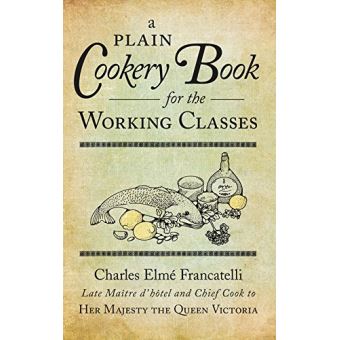
With the advent of mass printing and publishing from the 15 th century and the rise in literacy that followed, cookbooks also became more widespread from the 17 th century. Moreover, as new ideas about equality and democracy appeared, publishers started targeting a broader audience than kings, queens and nobility. Types of recipes varied significantly according to class, with, on the one hand, cookbooks with titles such as Plain Cookery for the Working Classes, The Poor Man’s Larder and Kitchen or Fifteen-Cent Dinners for Working- Men’s Families and on the other side of the spectrum, La Cuisinière Bourgeoise or Les Soupers de la Cour. Many early cookbooks also included instructions regarding table setting, food storage and table manners.
One of the earliest mass-printed cookbooks is Gervase Markham’s The English Housewife, published in 1615. Back in those times, housewives were in charge not only of cooking, brewing, and baking, but the production of butter and cheese, the preservation of wines, the dyeing of textiles, and the management of medicines for the whole household, servants included.
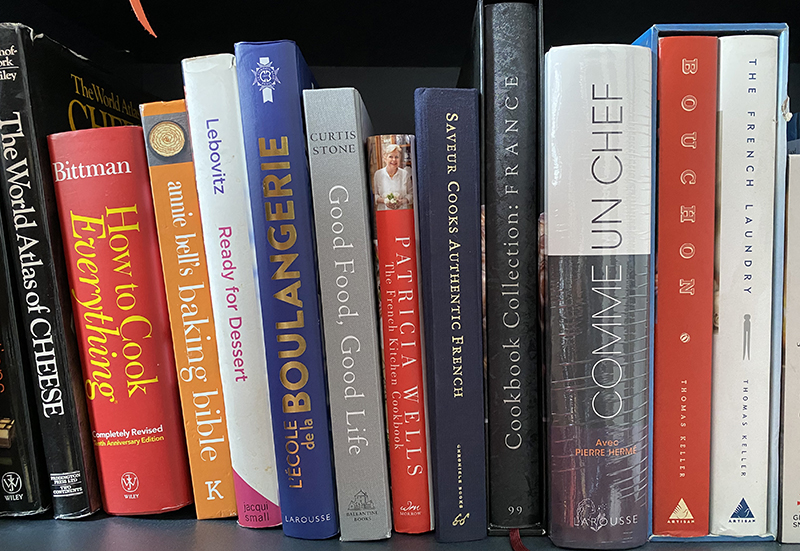
Recipes and cookbooks evolved with technology, society and as different ingredients became more or less available. Standardization of weights and measures, driven by industrial innovation, also fueled the rise of the modern cookbook.
The first cookbook by an American published in the United States was American Cookery, by Amelia Simmons in 1796. It contains recipes for sumptuous cakes that require 21 eggs and simpler, more day-to-day foods, such as johnnycakes. The Library of Congress designated American Cookery one of the 88 “Books That Shaped America .”
The American Civil War had a huge impact on every aspect of society, cooking included. After the war, millions of former slaves fled and took their knowledge with them, meaning that many Southern whites were left with no idea how to prepare the complex dishes they had previously enjoyed. A boom in cookbooks written by white women trying to mimic pre-war recipes followed.
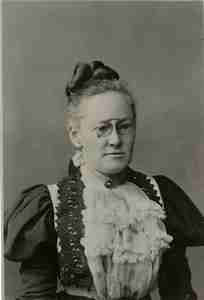
Fannie Merritt Farmer: By Unknown author, Public Domain, https://commons.wikimedia.org/w/index.php?curid=86403164
The book that would really change American cooking habits forever, however, was The Boston Cooking-School Cook Book, by Fannie Merritt Farmer. Published in 1896, it was an instant success. Farmer had a scientific approach to cooking and included information on nutrition, which was unusual at the time (Fannie Farmer was very interested in cooking for convalescents, chemical analysis of cooking and cooking techniques), her book also standardized the use of measurements for cooking.

First published in 1938, The American Woman’s Cook Book has been a staple of American kitchens for generations. With over 4000 recipes and tips on everything from preparing a Thanksgiving turkey to preserving fruits and vegetables, this book is an indispensable resource for home cooks of all levels. During the early years of the 20th century, cookbooks published by the Culinary Arts Institute–with roots dating back to the 1860s–were a staple in American homes. Offering carefully written and well-tested recipes, the Institute’s cookbooks set the standard for American home-cooking with the editorial guidance of the Institute’s new director, Ruth Berolzheimer. While Berolzheimer’s family remembers her as a middling cook at best, her editorial skills were top-notch. Having already worked on an early edition of The Settlement Cookbook with author Lizzie Kander, Berolzheimer knew what the average American housewife wanted in a cookbook. The American Woman’s Cook Book provided illustrations–including color plates–as well as recipes for both household favorites and adventurous foods like Chop Suey. Berolzheimer also included a glossary of French terms and a guide to wine, to help women add sophistication to their meal preparation and service. There’s a 1949 copy of this classic (that was re-printed nearly every year since it’s inception) at the book room or on ebay.
This work has been selected by scholars as being culturally important, and is part of the knowledge base of civilization as we know it.
The content is valuable and interesting, with little gems found throughout. Readers find the pages dedicated to entertaining entertaining and funny.

Julia Child, known for bringing French cuisine to the American public, Craig Claiborne, the food journalist who brought haute cuisine to the tables of millions of Americans and more recently, celebrity chefs Gordon Ramsay and Jamie Oliver are just a few examples of chefs who have influenced the cooking habits of people around the world. The fact that many of us now get our recipes online has not made the printed cookbook superfluous: on the contrary, successful food bloggers go on to publish recipe books that become quite popular. With the advent of modern food design, cookbooks have evolved from being merely utilitarian to beautiful objects meant to be enjoyed for their aesthetic value.
For books by Julia Child, Craig Claiborne, Anthony Bourdain and many other famous chefs, check out the Cooking section at Bill & Rosa’s Book Room !